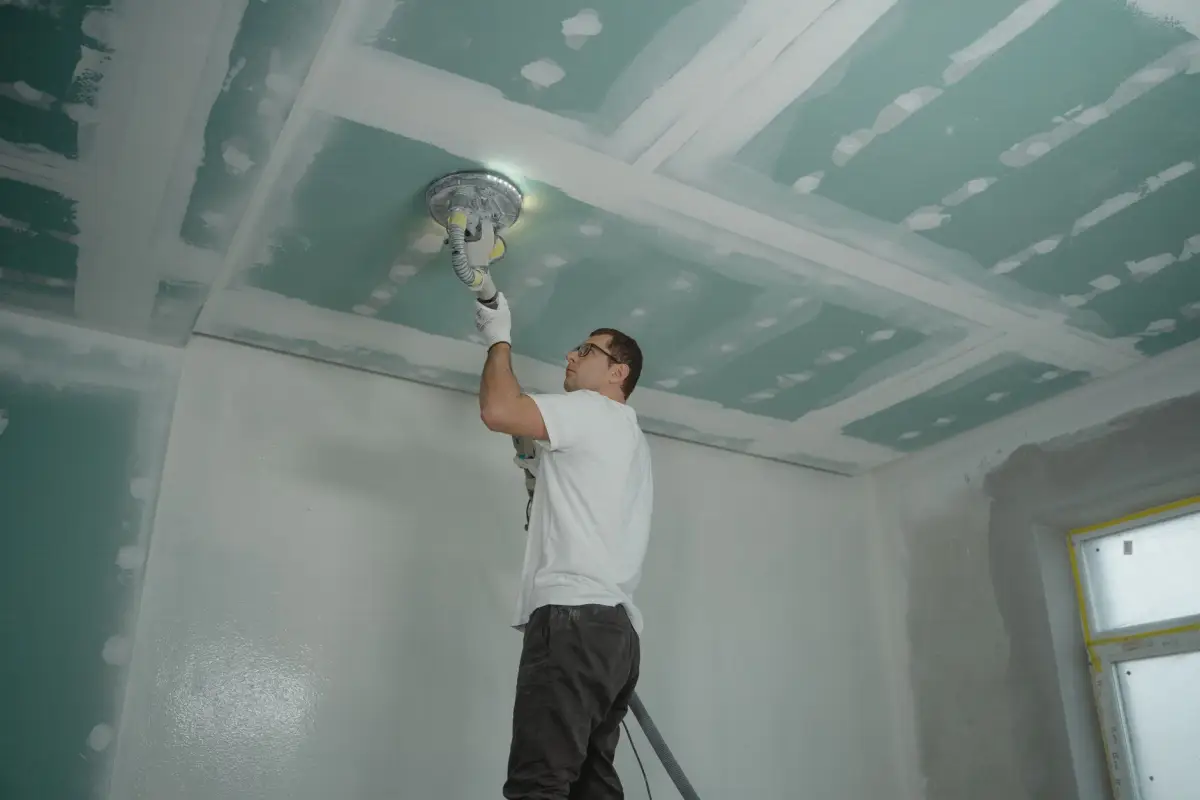
- My house is only two years old. Why is the drywall already cracking?
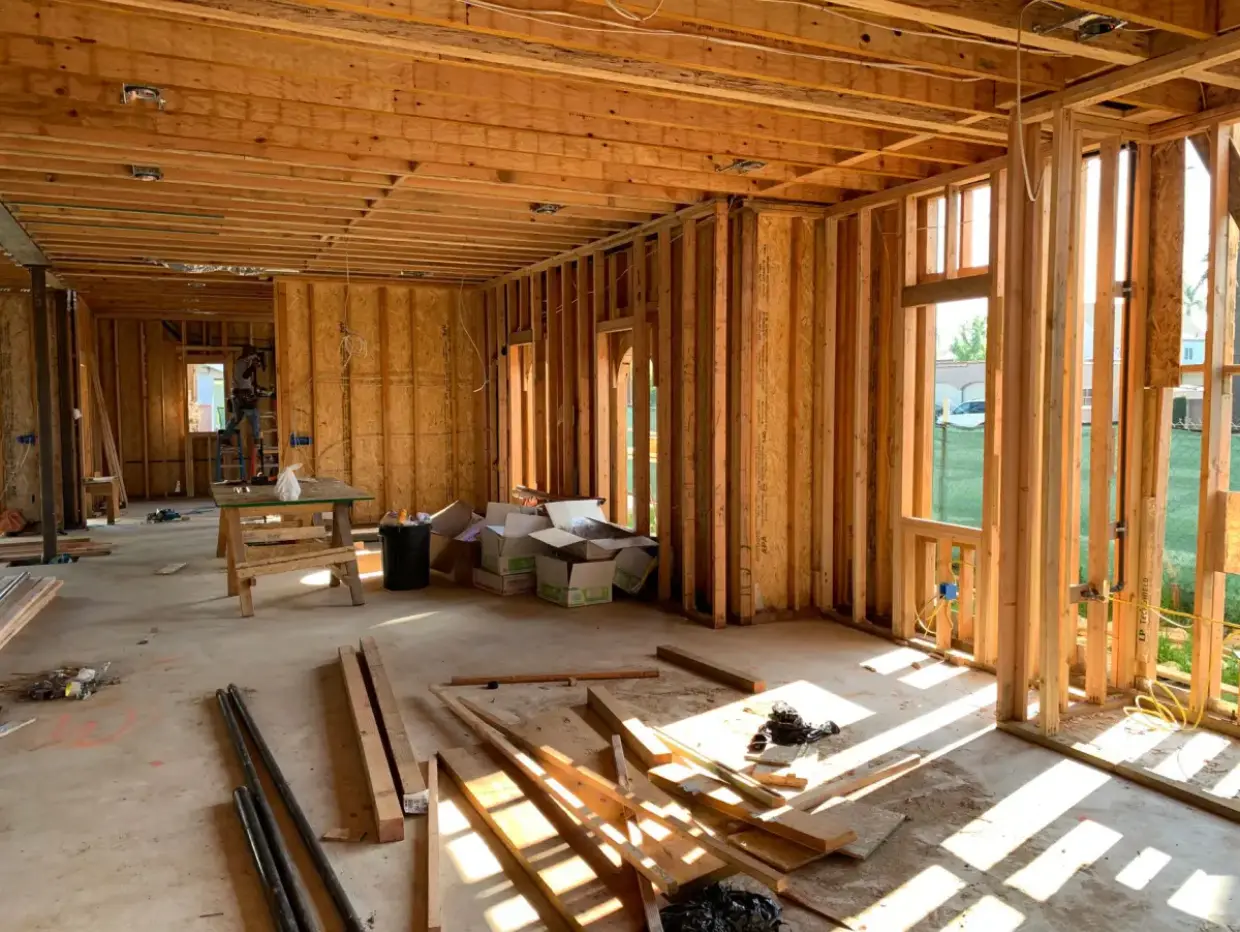
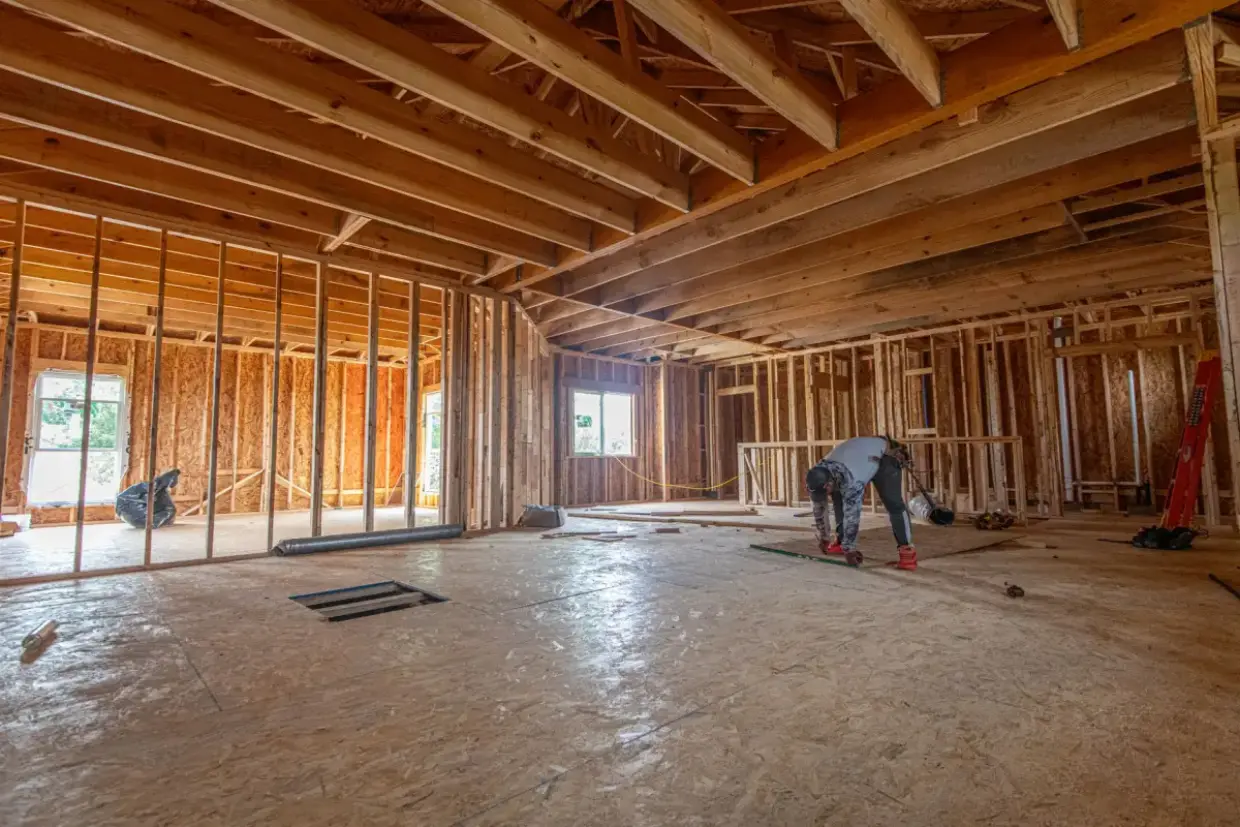
- Because the framing is still drying out. New lumber carries moisture, and it releases it over the first couple of heating seasons — the wood shrinks, fasteners back out, and taped seams open, most often at ceiling corners and above doorways. That is normal for new construction and not a sign anything was built wrong. Repairing after a full heating cycle usually means doing it once instead of twice.
- How can I tell whether my walls are plaster or drywall?
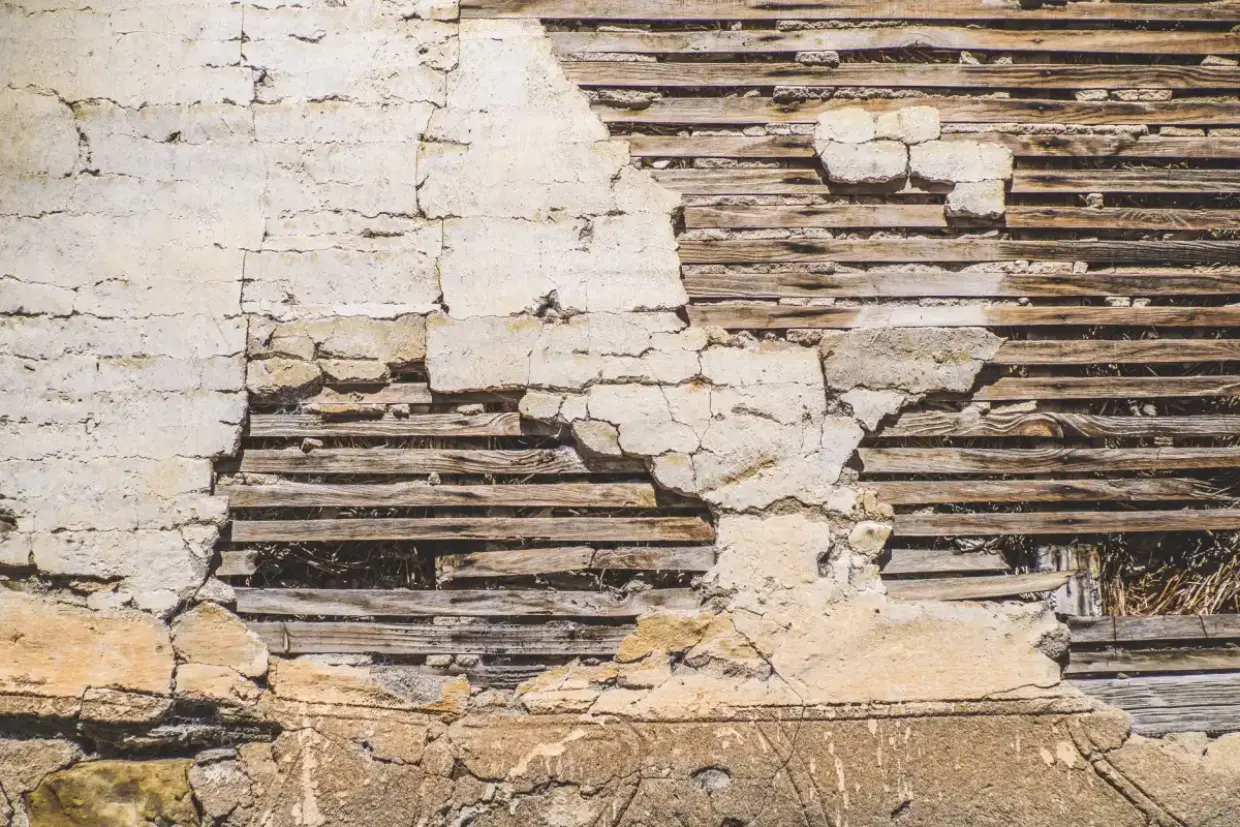
- Push a thumbtack into an inconspicuous spot. Drywall takes it easily; plaster resists and may chip. Sound helps too — plaster is denser and duller when tapped. In Kenosha it tends to track with age and location: the older core near Library Park and the Third Avenue Historic District runs to plaster, while anything from the post-war ranches westward is usually board.
- What's the difference between a Level 4 and a Level 5 finish?
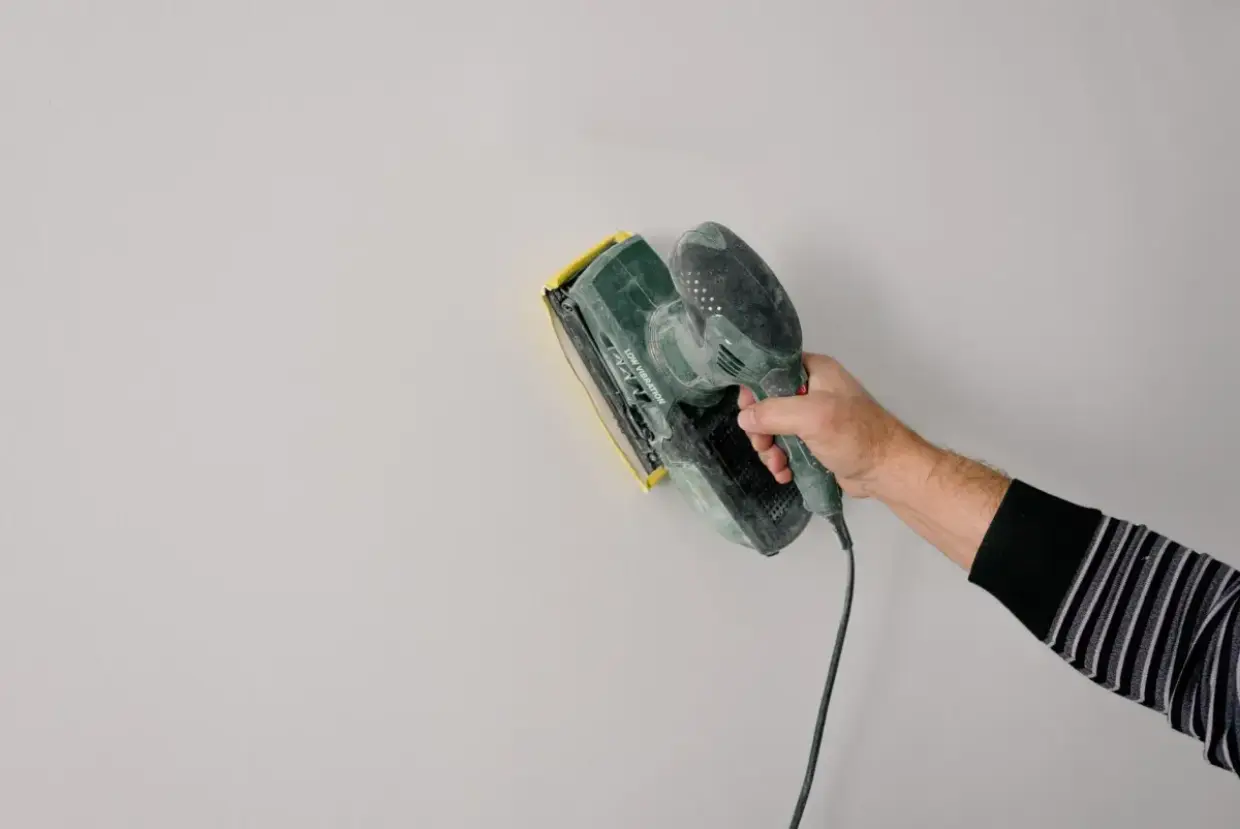
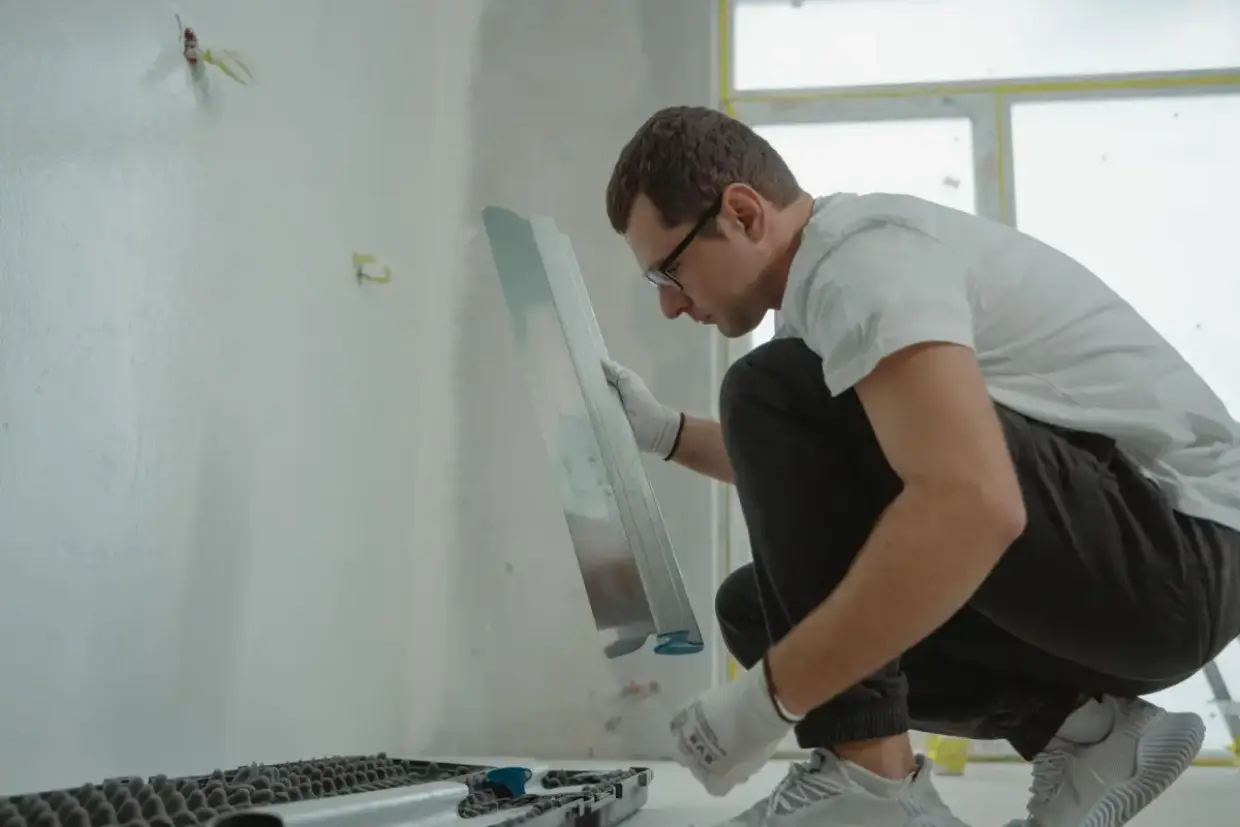
- Both refer to how many coats of joint compound go on before paint. Level 4 is the standard for walls taking flat or eggshell paint. Level 5 adds a skim coat over the whole surface and is what you want under gloss, or where winter sun comes in low through a window and travels along the wall. Without that kind of light, the upgrade is usually invisible.
- Can old texture on a ceiling be matched exactly?
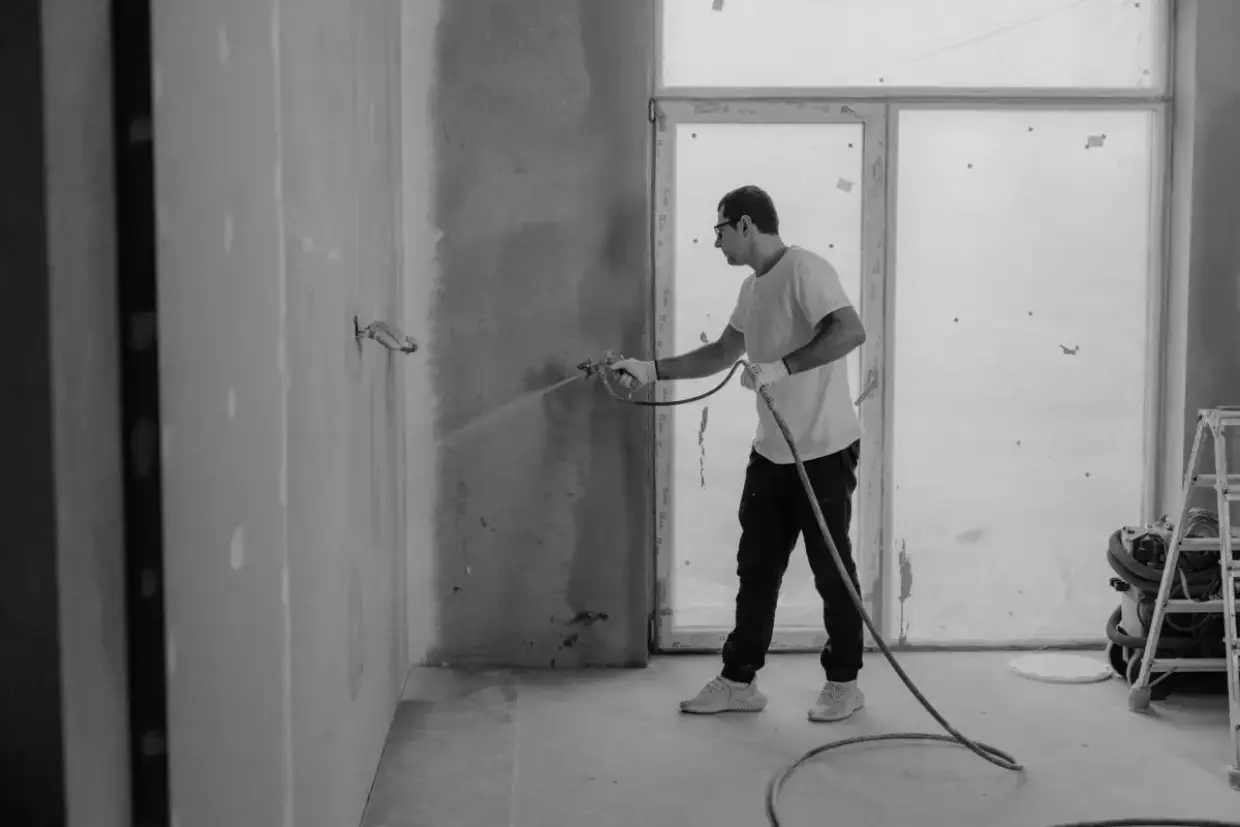
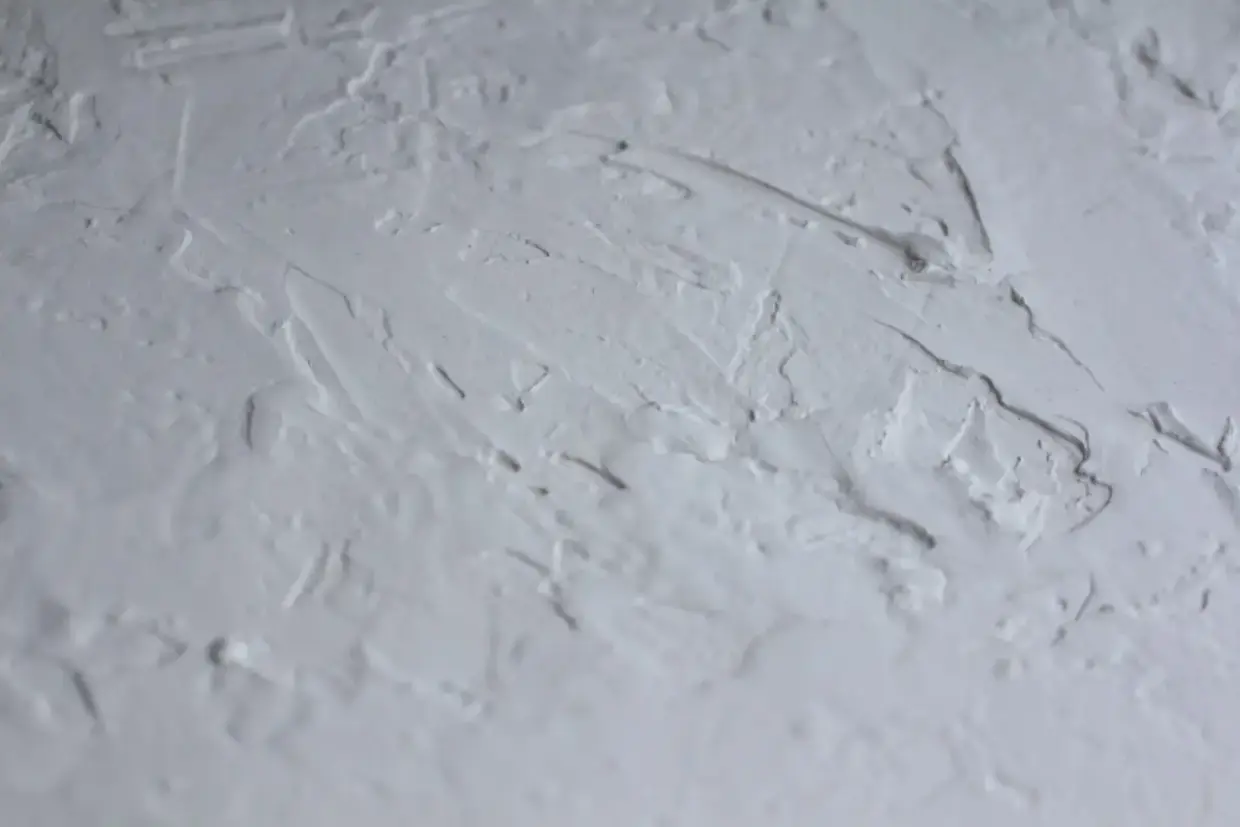
- Often, but not always. The existing texture is sampled and test-sprayed on scrap first. Ceilings sprayed in the 1960s and 70s used products and equipment that are no longer made, and occasionally the honest answer is that skimming the whole ceiling flat will look better than a patch that never fully disappears.
- What does the free estimate include?
- An in-person walkthrough and a written, itemized number covering material, labor, and finish level — not a range given over the phone from a description.