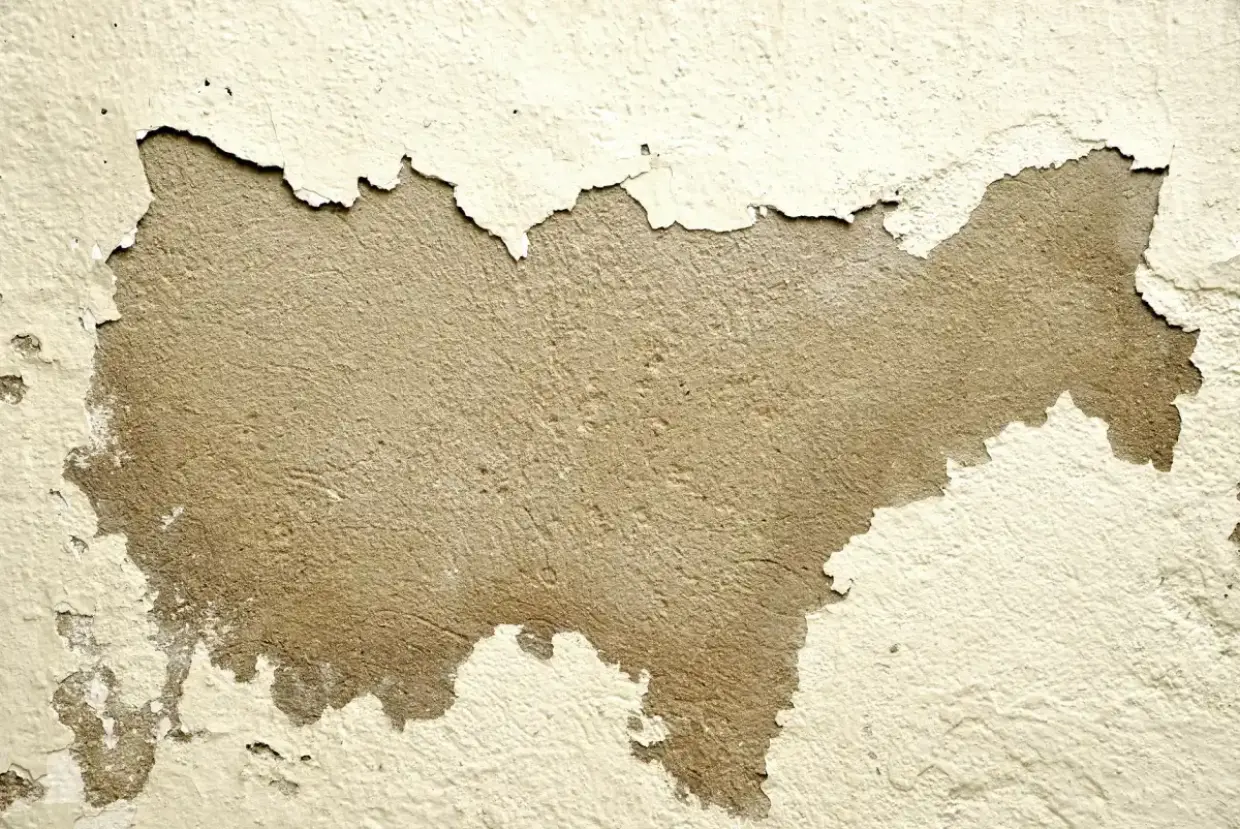
Water-Damaged Drywall Repair in Kenosha, WI — Removal, Replacement and Refinishing
Board compromised by a leak, a backup, or a seepage event removed and replaced across Kenosha and Kenosha County — once the source is fixed and the cavity behind it is genuinely dry.
Water-Damaged Drywall Repair in Kenosha, WI
Kenosha Elite Drywall is your local resource for water-damaged drywall repair throughout Kenosha and Kenosha County. We work with experienced drywall professionals who replace compromised board after the water has been stopped and the structure has dried.
Water-damaged drywall repair has a strict order of operations, and getting it wrong is the most expensive mistake in this category. The source has to be stopped. The cavity has to be dried and verified dry. Only then does board go back. Closing a wall over framing or insulation that still holds moisture produces a problem you cannot see and will not smell for months, and by the time you can, the repair has to come out again.
The second thing that catches people out is how far the damage extends. Gypsum wicks water upward well past anything visible, so the stain line is not the damage line. A wall stained twelve inches up has usually taken moisture noticeably higher, and cutting at the stain leaves compromised board in the wall. Finding the real edge — by touch, by probing, and with a meter — is the part of this job that determines whether it holds.
Kenosha's version of this work skews toward below-grade and lakeshore situations. Sump failures, sewer backups, and lateral seepage through foundation walls account for a large share of it, and the elevated Lake Michigan water levels of recent years raised groundwater along the lakeshore enough to put water into basements that had stayed dry for decades. Overhead failures are the other half: roof and ice-dam leaks, supply lines, and appliance connections.
What’s Included in a Kenosha Water-Damaged Drywall Repair Quote
- Work started only once the source is stopped and the cavity is verified dry
- Actual extent of moisture traced beyond the visible stain line
- Compromised board cut back to the centers of studs or joists
- Insulation checked and removed where it has held water
- Framing inspected for staining, softening or fastener corrosion
- Moisture-resistant board installed where the location justifies it
- New board taped, coated and feathered into the surrounding surface
- Texture matched and the repair primed with a stain-blocking primer
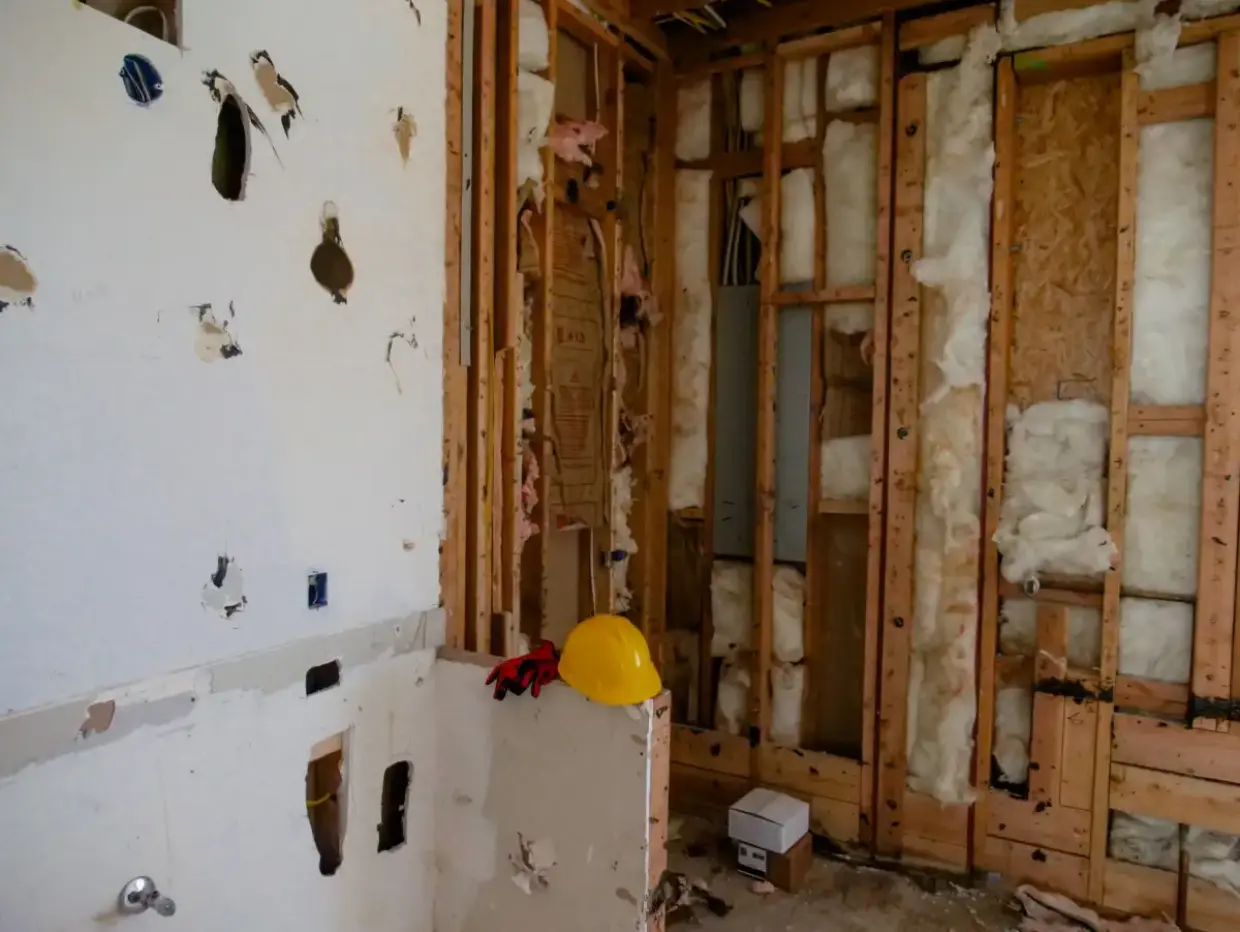
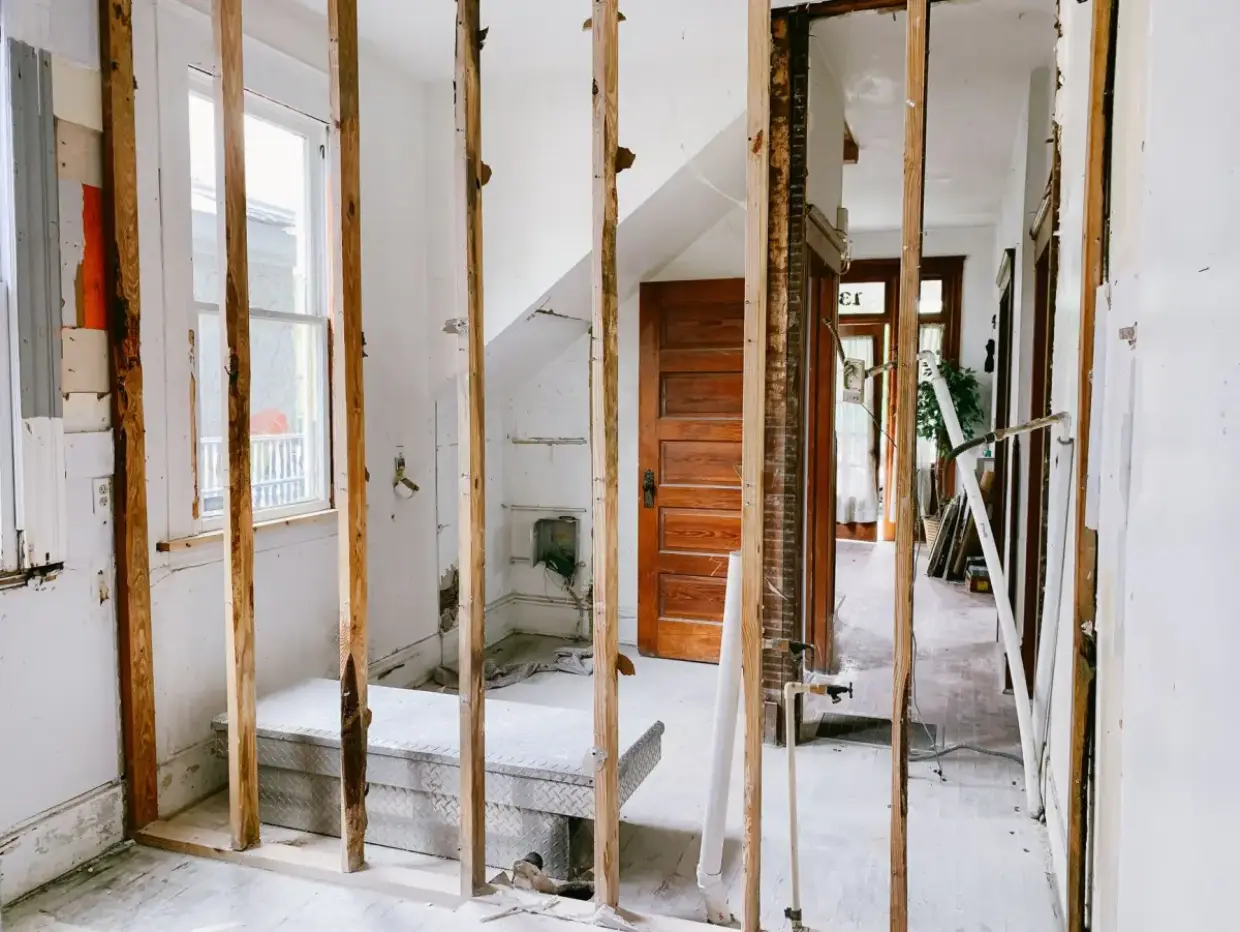
Water-Damaged Drywall Repair in Kenosha, WI
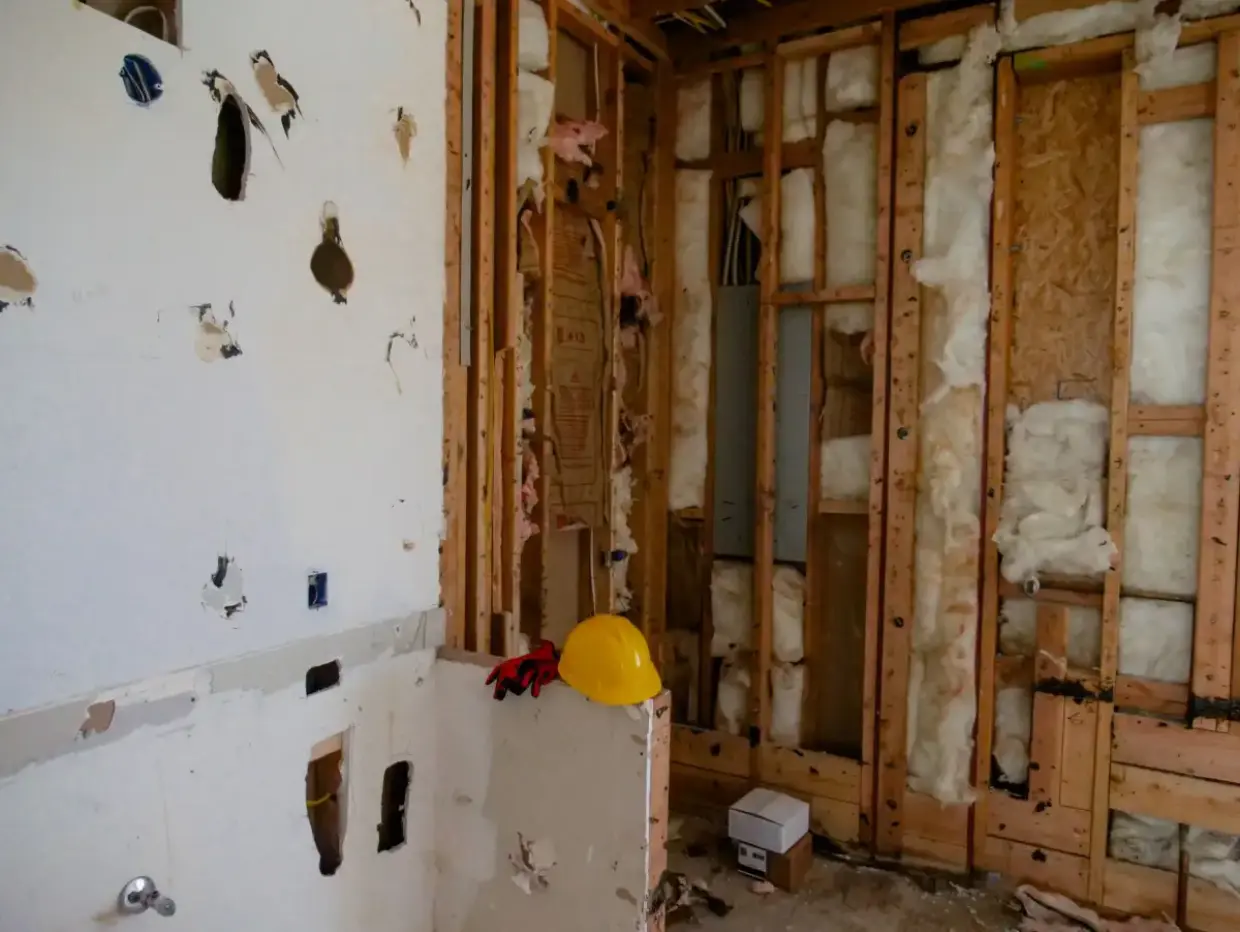
Water-Damaged Wall Repair
Walls take water from three directions and each leaves a different signature. Water from above runs down inside the cavity and often shows up well below the actual leak. Water from a supply or drain line in the wall shows as a localized soft area near the run. Water from below — the common one in this area — wicks upward from the bottom plate and leaves a horizontal line that marks how high the gypsum drew moisture rather than how high the water stood. That last case is the one most often cut too low, because the visible stain sits well under the real damage.
Water-Damaged Ceiling Repair
A stained ceiling is more urgent than a stained wall, because a ceiling holds saturated board overhead against gravity and wet gypsum loses strength quickly. A ceiling that has gone soft or begun to sag under a stain is a safety question before it is a cosmetic one. The other complication is that water travels along the top of a ceiling before it finds a place to come through, so the stain is frequently some distance from the actual leak. Locating the source properly matters more here than anywhere else, since repairing under the stain fixes nothing if the entry point is six feet away.
Damaged Drywall Removal
Getting the compromised material out, which sounds simple and is where the judgment sits. The cut line is set beyond the moisture rather than at the stain, and board comes out to the centers of framing members so the replacement has bearing. Insulation in the cavity gets pulled and inspected — fiberglass that has been wetted holds water against the framing long after the surface feels dry, and leaving it in is a common reason a properly rebuilt wall still develops a problem. Framing gets checked for staining, softening and fastener corrosion while it is open, because that is the only time it can be.
Drywall Replacement After Water Damage
New board goes in only after the cavity is verified dry with a meter rather than by feel or by calendar. Panel selection is part of the repair: in a below-grade room, a bathroom, or anywhere the same event could recur, moisture-resistant board is the sensible choice even where standard board was there before. Replacement panels are fastened to the framing they were cut back to, with joints staggered against the existing board, and where the wall is part of a rated assembly the correct board type and layer count go back rather than whatever matches thickness.
Drywall Finishing After Water Damage
The finish work that makes a repair disappear, plus one step specific to water damage. Joints get taped and coated in sequence and feathered wide into the surrounding plane, texture is sampled and matched, and then the repair is primed with a stain-blocking primer rather than a standard one. Water stains bleed through ordinary latex primer and reappear through the finish paint weeks later, and it is a genuinely common failure on otherwise competent repairs. Sealing the area properly is a five-minute decision that prevents a redo.
Signs You Need Water-Damaged Drywall Repair
- Brown or yellow staining on a wall or ceiling surface
- Board that feels soft, spongy or crumbling when pressed
- Bubbling, peeling or lifting paint over a defined area
- A horizontal line low on a basement wall after a water event
- A musty smell in a room with no visible surface damage
- Visible sag in a ceiling under or near a stain
How Water-Damaged Drywall Repair Works
- 1
Confirm the Source Is Stopped
Nothing starts until the water has been dealt with. A leaking supply line, a failed sump, a roof or ice-dam entry point, a foundation crack allowing lateral seepage — all of these belong to other trades and all of them have to be resolved before board goes back. This is the step most likely to be rushed under pressure to get a room usable again, and it is the one that decides whether the repair holds. Board installed over an unresolved source is a repair with a countdown on it, and the second removal costs more than the first because it takes new material with it.
- 2
Find the Real Edge of the Damage
The stain is where water sat long enough to leave a mark; it is not where the moisture reached. Gypsum draws water upward through its core, so the compromised area routinely extends several inches to a foot beyond anything visible. The edge is found by touch, by probing for softness, and with a moisture meter that reads through the surface. Insulation and framing behind the board get checked as well, because a cavity can hold moisture long after the panel face feels dry. Cutting at the stain line is the most common shortcut in this work and the most common reason a rebuilt wall fails again.
- 3
Remove, Dry and Verify
Compromised board comes out to the centers of framing members. Wetted insulation is removed rather than left to dry in place, since fiberglass holds water against framing and dries far more slowly than open air suggests. Then the cavity is dried with air movement and dehumidification, and — the part that matters — it is verified dry with a meter before anything closes it. Drying time depends on how much material was involved, how long it stayed wet, and the ambient conditions, which in a Kenosha August with lake humidity can take meaningfully longer than the same job in January.
- 4
Reboard, Finish and Seal
New panel goes in with the type chosen for the location rather than copied from what was there, joints staggered against existing board, and fastening into the framing the cut was made to. Then the normal finishing sequence — tape embedded, coats built and feathered wide, texture sampled and matched. The last step is specific to this work: a stain-blocking primer over the repaired area, because residual staining bleeds through standard primer and resurfaces through the finish coat weeks later. On ceilings this matters most, since that is where the bleed-through shows up in the flattest light.
What Does Water-Damaged Drywall Repair Cost in Kenosha, WI?
- Area of board that has to come out, which is larger than the visible stain
- Whether the damage is on a wall or a ceiling
- Whether insulation has to be removed and replaced
- Drying time and equipment required before rebuilding can start
- Panel type, since moisture-resistant board costs more than standard
- Texture matching difficulty on the surrounding surface
- Access and whether flooring, trim or cabinetry has to be worked around
- Whether the area forms part of a rated assembly that has to be restored
| Service | Cost Per Sq. Ft. | Typical Job |
|---|---|---|
| New Drywall Installation | $1.50 – $3.00 per sq. ft. | $1,000 – $3,254 per project |
| Small Patch or Hole | $75 – $350 per patch | $300 – $500 for a contractor visit |
| Larger Wall Repair | $500 – $800+ per patch | Scales with how much board comes out |
| Ceiling Repair | $297 – $472 per hole | $220 – $1,300 for the full ceiling |
| Water-Damaged Drywall | $500 – $2,500+ | Depends how far the moisture travelled |
| Texture Matching | $150 – $450 per patch | Runs 30 – 40% above a smooth finish |
Based on 2026 national cost-guide data from Angi, HomeGuide, and Homewyse. Kenosha County rates land above or below these ranges depending on ceiling height, access, and how much board has to come out. The largest single swing here is whether a wall turns out to be plaster rather than drywall, which changes the method rather than just the quantity. You get a firm number after someone sees the job.
The variable that moves this cost most is one people underestimate: how much board actually has to come out. Quoting from the stain line produces a low number and an incomplete repair. Cutting to the real moisture edge often doubles the area and is the only version that holds. Drying time is the second factor, and it is a schedule cost rather than a labor one — the cavity dries when it dries, and paying to close a wall early is paying twice.
What to Look for in a Kenosha Water-Damaged Drywall Contractor
They Refuse to Start Until It Is Dry
A meter reading, not a calendar or a hand on the wall. Closing a cavity that still holds moisture is the failure that costs twice.
They Cut Past the Stain
Gypsum wicks water well beyond what shows. A contractor cutting at the visible line is quoting the cheap version of a repair that will not hold.
They Check the Insulation
Wetted fiberglass holds water against framing long after the surface feels dry. Leaving it in is why a properly rebuilt wall can still develop a smell.
They Use a Stain-Blocking Primer
Water stains bleed through standard primer and reappear through the paint weeks later. It is a small step and skipping it undoes the whole repair visually.
Residential & Commercial Water-Damaged Drywall Repair
Residential
Residential water damage here concentrates below grade — sump failures, backups and lateral seepage through foundation walls — with overhead leaks from roofs, ice dams and supply lines making up the rest. In either case the sequence is the same and the drying step is the one that cannot be shortened.
Commercial
Commercial water damage adds containment requirements, occupied-space scheduling and rated assemblies that have to be reinstated rather than simply closed. That work is covered on the commercial drywall repair page.
When Water-Damaged Drywall Repair Isn’t the Right Call
- Situations where the leak or seepage has not been stopped. Board installed over an active source comes out again, and it takes new material with it.
- Mold remediation, which is a separate trade with its own protocols. Where growth is established, that gets handled before drywall work begins.
- Plumbing, roofing or foundation repair. Those belong to the trades that own them and they come first.
- Cavities that have not been dried and verified. A repair scheduled around a deadline rather than a meter reading is a repair that fails quietly.
- Addresses outside Kenosha and Kenosha County.
Frequently Asked Questions
- How long does drywall need to dry before it can be replaced?
- There is no fixed number, which is exactly why a meter is used instead of a calendar. It depends on how much water was involved, how long it sat, whether insulation was wetted, and the ambient conditions. With air movement and dehumidification a modest wall cavity might be dry in a few days; a saturated below-grade wall with wet insulation can take considerably longer. In a humid Kenosha summer the same cavity dries more slowly than it would in winter with the heat running. The only honest answer is that it is dry when it reads dry.
- Can water-damaged drywall just be dried out and kept?
- Sometimes, and it depends on the water and the exposure. Board that was briefly dampened by clean water and dried quickly can often stay. Board that was saturated, that stayed wet for more than a day or two, or that was exposed to sewage or groundwater should come out. Wet gypsum loses structural integrity as the core breaks down, and it does not recover that when it dries — it can look acceptable and be soft enough to fail under a fastener. Anything from a sewer backup comes out regardless of how it looks.
- How far past the stain should the board be cut?
- Past the moisture, which is usually further than the stain suggests and is established with a meter rather than by eye. Gypsum wicks water upward through its core, so a stain that stops twelve inches up commonly has damp board above it. Practically the cut is made to the nearest framing centers beyond the verified moisture edge, which gives the replacement piece something to fasten to and keeps the joint away from the damaged zone.
- Why did the stain come back through the new paint?
- Because the area was primed with a standard latex primer rather than a stain-blocking one. Water staining contains soluble compounds that migrate through ordinary primer and finish coats, and they reappear as a yellow-brown shadow weeks after everything looked finished. A shellac-based or oil-based stain-blocking primer over the repaired area prevents it. This is one of the most common failures on otherwise competent water damage repairs and it is entirely avoidable.
- Should I use moisture-resistant board when replacing?
- In a location where the same event could happen again — a basement, a bathroom, a laundry, a wall near a sump — yes, even if standard board was there before. Moisture-resistant panel resists humidity and incidental moisture far better and costs modestly more. What it is not is waterproof: it will not survive standing water or a recurring leak, and it does not belong inside a shower surround, where a cement or purpose-made tile backer is required instead.
- Do I need mold remediation before the drywall work?
- If there is established growth, yes, and it is a separate trade with its own containment and disposal protocols. Guidance generally treats the window before growth begins as short — a day or two after materials get wet — so a promptly dried situation often avoids it entirely, while material that sat wet for a week frequently does not. Where there is visible growth or a persistent musty smell, that gets assessed and handled before any board goes back, not after.
Learn More
- EPA Mold and Moisture Guidance — federal guidance on drying timelines, remediation thresholds and moisture control
- Gypsum Association — technical guidance on gypsum panel performance after water exposure
- NOAA Great Lakes Water Level Dashboard — Lake Michigan water level records relevant to lakeshore groundwater conditions
Need Water-Damaged Drywall Repair in Kenosha, WI?
Tell us what’s going on and get an on-site estimate — no charge for the visit, and no obligation to book the work.
Get My Free Estimate