Commercial Drywall Finishing in Kenosha, WI — Taping, Mudding and Level 4 or Level 5 Finishes
Commercial surfaces taped, coated and sanded to the finish level named in the project documents across Kenosha and Kenosha County, held consistent across areas no house ever has.
Commercial Drywall Finishing in Kenosha, WI
Kenosha Elite Drywall is your local resource for commercial drywall finishing throughout Kenosha and Kenosha County. We work with experienced commercial drywall professionals who deliver the level the documents name rather than the level that is convenient.
Commercial finishing differs from residential finishing in three ways, and none of them is skill. The first is that the standard is written down. GA-214 defines levels 0 through 5 and a commercial specification names one, which means the deliverable is a published standard rather than a conversation about how smooth is smooth enough. The second is scale: holding a finish identical across a floor plate worked by several people over several days is a consistency problem that a bedroom never poses. The third is lighting, and it is the one that catches projects out.
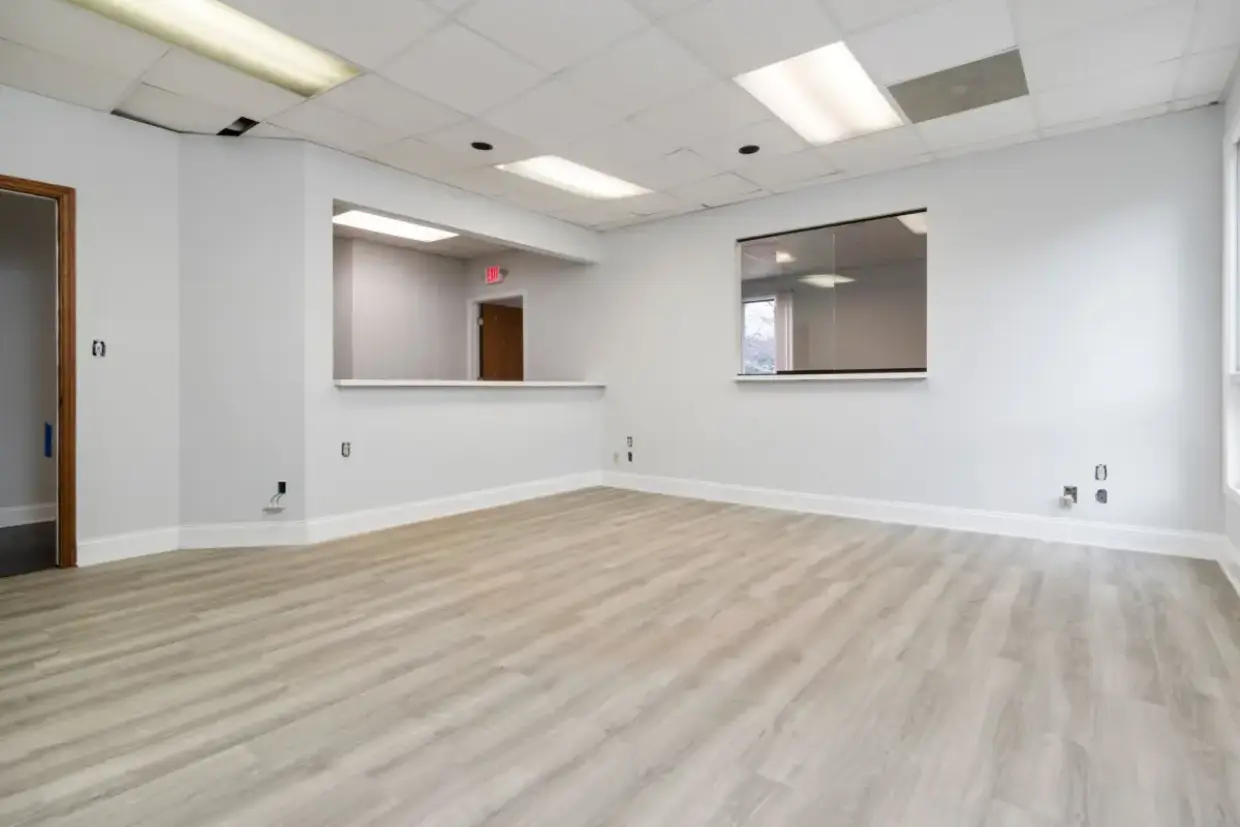
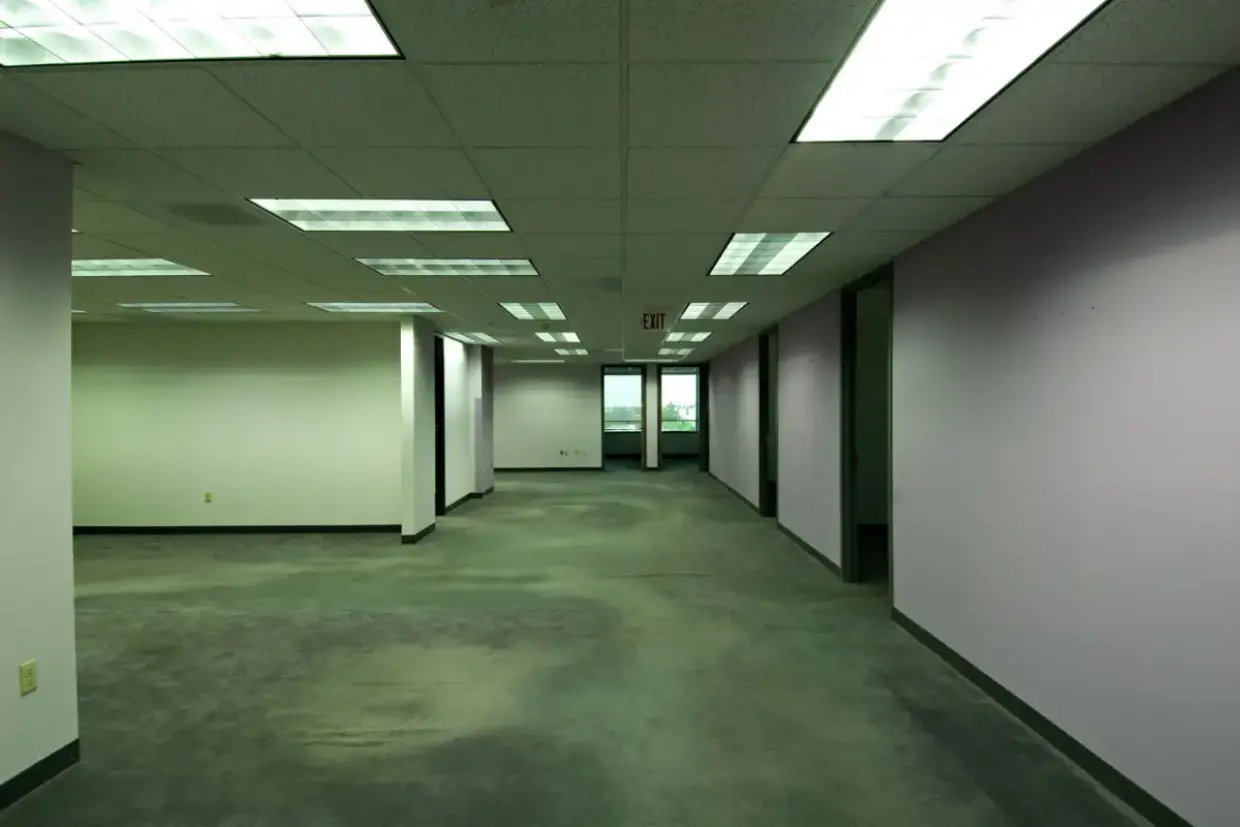
Commercial buildings light large flat planes evenly and continuously. That is precisely the condition that reveals the porosity difference between paper face and joint compound, which is what Level 5 exists to eliminate. A wall finished to Level 4 under temporary work lights, painted in a semi-gloss, and then lit properly on the day the space opens is the classic failure — nothing was done badly, the wrong level was specified, and the correction is a full skim coat over finished painted work.
Locally the mix runs both directions. Warehouse and light-industrial space along the interstate corridor is full of areas where Level 3 or 4 is exactly right and paying more buys nothing. Retail, hospitality and medical space downtown and along the lakefront is where the level question gets serious, because those interiors run high sheen, downlighting along walls, and large uninterrupted surfaces.
What’s Included in a Kenosha Commercial Drywall Finishing Quote
- Specified finish level confirmed against the lighting and coating the space will have
- Board plane checked and corrected before finishing rather than buried in compound
- Tape bedded in a wet coat across long runs without stopping mid-plane
- Compound selected by stage, with setting-type used where the schedule requires it
- Coats built and feathered with full drying between each
- Level 5 skim applied across the entire surface where the documents call for it
- Consistency held across large areas worked over multiple days
- Surface handed over genuinely paint-ready, checked under the room's real lighting
Commercial Drywall Finishing in Kenosha, WI
Commercial Drywall Taping
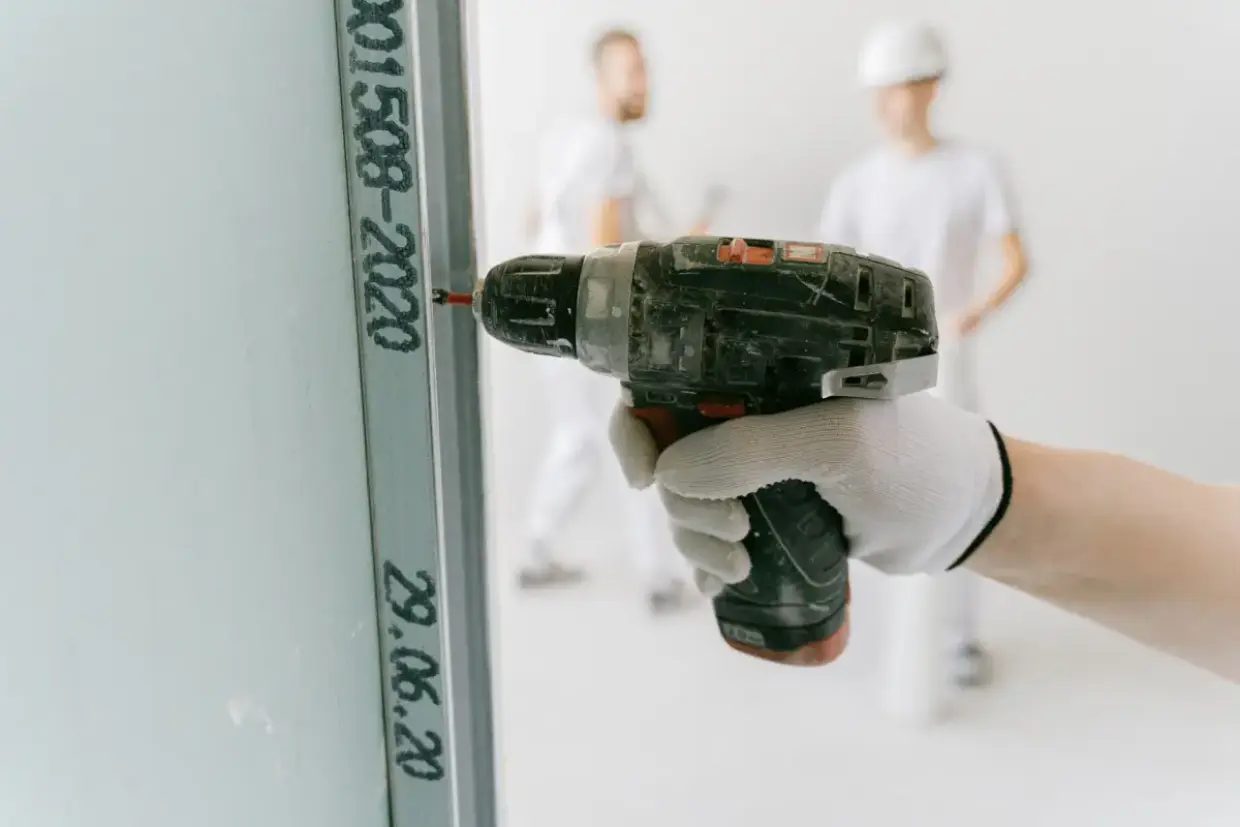
Tape bedded into a wet first coat at every joint and interior angle, with corner bead set true and checked along its length before anything covers it. Volume changes the method on commercial work: long continuous runs are taped in one pass rather than started and stopped, because a joint restarted mid-plane on a different day reads differently once the building's own lighting is on. Where the assembly is rated, taping follows the listed detail rather than general practice, and joints in a second layer are offset from those in the first.
Commercial Drywall Mudding
The fill and finish coats, each feathered wider than the last and each dried through before the next. Compound is chosen by what the coat has to do rather than by what is already mixed — adhesion and body underneath, sandability on top. Setting-type compound earns its place on commercial schedules, since it cures chemically on a timed cycle rather than waiting on evaporation and can be recoated sooner. That is a legitimate tool for a tight schedule; what it is not is a substitute for drying time on the coats that get sanded and seen.
Level 4 Drywall Finishes
The general commercial standard: tape embedded plus two further coats over joints and interior angles, three over fasteners and beads, sanded smooth and free of tool marks. It is the right specification for most office, back-of-house, warehouse-adjacent and utility areas under flat or eggshell paint with ordinary lighting. It is a specified finish rather than a lesser one, and in the large volume of light-industrial and distribution space around the interstate corridor, Level 4 is very often exactly what the surface needs.
Level 5 Drywall Finishes
Level 4 plus a thin skim coat across the entire surface, which equalizes porosity between paper face and compound and removes the faint telegraphing that survives Level 4. This is the finish for gloss, semi-gloss and enamel coatings, for surfaces under severe or critical lighting, and for large uninterrupted planes where any variation reads as a defect. In practice that means the retail, hospitality and medical interiors rather than the warehouse floor — anywhere downlighting washes along a wall or a coating carries real sheen.
Paint-Ready Commercial Drywall
The handover condition, which means more than sanded. Surfaces are at the specified level, dust has been removed rather than redistributed, and the substrate will take the coating that was actually specified. This is where coordination between finisher and painter matters, because a painter planning a high-sheen coating needs to know what level the substrate reached, and a finisher needs to know the sheen before choosing the level. When each assumes the other handled it, the result is a correctly executed Level 4 wall under a coating that was never going to work on one.
Signs You Need Commercial Drywall Finishing
- A specification naming a finish level that has to be delivered as written
- Semi-gloss, gloss or enamel coatings planned over commercial surfaces
- Large uninterrupted walls or ceilings under continuous even lighting
- Downlighting or wall-wash lighting planned along a long surface
- Sections of a large area that visibly read differently from one another
- A project where the painter and the finisher have not compared notes on level and sheen
How Commercial Drywall Finishing Works
- 1
Confirm the Level Against Real Conditions
The specified level gets checked against three things the documents do not always state: how the space will be lit, what sheen the coating carries, and how large and uninterrupted the surfaces are. Any one of severe lighting, high sheen or large flat expanse argues for Level 5, and all three together make it non-negotiable. Where the specification and the conditions disagree, that gets raised before the first coat rather than after the paint — upgrading a level later means skimming over finished painted work at several times the cost of doing it in sequence.
- 2
Correct the Surface Before Coating It
Finishing cannot fix framing. Before compound goes on, the board plane is checked for proud fasteners, misaligned sheets, crushed edges and studs bowed enough to push a panel out of line. Those get corrected at the source, because compound used to bury a framing problem creates a wide shallow hump that is more visible under critical lighting than the original defect. On Level 5 work this matters more, not less: a skim coat equalizes texture and porosity and does nothing whatsoever for plane.
- 3
Build the Coats and Hold Consistency
Tape is embedded, then coats are built to the specified count, each feathered wider than the last and each fully dry before the next. On large commercial areas the harder discipline is consistency: same compound, same mixing, same sequence, same sanding standard from one end of a wall to the other, and no plane stopped and restarted mid-run on a different day. A wall that changes character halfway along its length is the most common failure on large commercial finishing, and it is a process problem rather than a skill problem.
- 4
Skim Where Specified, Then Prove It Under the Real Light
Where Level 5 is called for, a thin coat goes across the entire surface — every square foot, not just the joint areas — and is sanded to a uniform plane. Then the surface is inspected the way it will be seen: under the building's own lighting, from the angles occupants will use, not with a work lamp held close. Anything that shows gets corrected before primer. This is the step that separates a wall passing inspection on a Tuesday from one that still looks right on the day the space is handed over with the real lights on.
What Does Commercial Drywall Finishing Cost in Kenosha, WI?
- Finish level specified, since Level 5 adds a skim coat over every square foot
- Total area and how uninterrupted it is
- Ceiling height and the access equipment required
- Coating sheen and whether the surface must take a cleanable or sealed finish
- Schedule compression, since drying time between coats is not negotiable
- Occupied versus empty building and any containment required
- Whether the board plane needs correction before finishing can start
| Service | Cost Per Sq. Ft. | Typical Job |
|---|---|---|
| New Drywall Installation | $1.50 – $3.00 per sq. ft. | $1,000 – $3,254 per project |
| Small Patch or Hole | $75 – $350 per patch | $300 – $500 for a contractor visit |
| Larger Wall Repair | $500 – $800+ per patch | Scales with how much board comes out |
| Ceiling Repair | $297 – $472 per hole | $220 – $1,300 for the full ceiling |
| Water-Damaged Drywall | $500 – $2,500+ | Depends how far the moisture travelled |
| Texture Matching | $150 – $450 per patch | Runs 30 – 40% above a smooth finish |
Based on 2026 national cost-guide data from Angi, HomeGuide, and Homewyse. Kenosha County rates land above or below these ranges depending on ceiling height, access, and how much board has to come out. The largest single swing here is whether a wall turns out to be plaster rather than drywall, which changes the method rather than just the quantity. You get a firm number after someone sees the job.
The level itself is the largest variable. Level 5 across a whole floor plate is a substantial line item, and specifying it where the conditions do not demand it is money that buys nothing anyone will see. The reverse mistake costs far more: discovering after paint that a space needed Level 5 means skimming over finished work, which runs several times the cost of having done it in sequence. A sample area finished and viewed under the real lighting settles the question for the price of half a day.
What to Look for in a Kenosha Commercial Drywall Finishing Contractor
They Talk in Levels, Not Adjectives
A contractor who describes the result as smooth rather than naming a GA-214 level has given you nothing to hold them to. The level is the specification.
They Ask About Lighting and Sheen First
Those two conditions decide whether Level 4 will hold. Quoting without asking is quoting a number rather than a finish.
They Will Finish a Sample Area
Proving the level under the room's real lighting before committing the floor is cheap, and it ends the argument before the surface exists.
They Hold Consistency Across the Whole Run
Large-area finishing fails through process drift rather than bad workmanship. Same compound, same standard, no plane restarted mid-run on another day.
Residential & Commercial Commercial Drywall Finishing
Residential
Residential finishing runs to Level 4 in most rooms and is covered on the drywall finishing page. Same technique, different scale and lighting — houses have varied light from multiple sources, which forgives a great deal that continuous commercial illumination does not.
Commercial
Commercial finishing is specification work. The level is named in the documents, the conditions that make it the right level are verifiable, and the result has to hold consistently across areas far larger than any residential surface. Level 5 appears more often here because commercial lighting and coatings are less forgiving, not because the standard is arbitrarily higher.
When Commercial Drywall Finishing Isn’t the Right Call
- Projects wanting Level 5 quoted at Level 4 pricing. The skim coat is real material and real labor across every square foot.
- Schedules requiring finishing compressed below drying time. The cracking arrives after handover and costs more than the delay would have.
- Walls needing plane correction where the framing issue is not to be addressed first. Compound cannot fix a bowed stud, it only widens the shadow.
- Taping and mudding as a standalone residential scope — that is covered on the drywall taping and mudding page.
- Projects outside Kenosha and Kenosha County.
Frequently Asked Questions
- How do we decide between Level 4 and Level 5?
- Three conditions decide it: lighting, sheen and area. Continuous even lighting, downlighting washing along a wall, or daylight raking across a surface all push to Level 5. Semi-gloss, gloss or enamel coatings push to Level 5. Large uninterrupted planes push to Level 5. Any one is a strong argument, two makes it clear, three settles it. Flat paint in an ordinary office or a back-of-house area with normal ceiling lighting is Level 4 territory and paying for more buys nothing.
- Can we upgrade to Level 5 after the walls are painted?
- Physically yes, economically it hurts. It means skimming compound across finished painted surfaces, sanding, and repainting the entire area — several times the cost of specifying Level 5 in sequence, plus the schedule impact in a space that may already be occupied or handed over. This is why the level conversation belongs at the start, and why a sample area under real lighting is worth the half day it takes.
- What makes a large wall look inconsistent when each section was done well?
- Process drift rather than skill. Different compound batches, different mixing consistency, different sanding standards, or a plane stopped and restarted mid-run on separate days all produce sections that read differently once even lighting crosses them. Holding consistency across a large area is a discipline problem, and it is why large commercial finishing prices differently from the same square footage split across small rooms.
- How long does commercial finishing take?
- Drying time between coats is the controlling factor, and it varies with temperature and humidity rather than with headcount. A Level 4 finish needs its coats to dry in sequence; Level 5 adds a full skim coat with its own drying and sanding cycle on top. Setting-type compound can compress parts of the sequence legitimately. What cannot be compressed is the final coats that get sanded and seen, and a schedule that ignores this produces cracking weeks after the space is occupied.
- Does the painter need to know what level we finished to?
- Yes, and the failure to coordinate between these two trades is common enough to be worth naming explicitly. A painter planning a high-sheen coating needs to know whether the substrate reached Level 5, and a finisher needs to know the sheen before choosing the level. When each assumes the other handled it, the result is a correctly executed Level 4 wall under a coating that was never going to work on one — and the correction falls on whoever is standing there when the lights go on.
- Is Level 5 necessary in warehouse or light-industrial space?
- Almost never, and this is worth saying plainly in a market with a lot of that space. Warehouse walls, back-of-house areas and utility rooms under flat paint and ordinary lighting are Level 3 or Level 4 surfaces, and specifying Level 5 there is money spent on something nobody will ever perceive. The level conversation should be area by area within a building rather than applied uniformly — Level 5 in the customer-facing space, Level 4 in the offices, Level 3 in the storage.
Learn More
- Gypsum Association GA-214 — the published definition of finish levels 0 through 5 that specifications reference
- Association of the Wall and Ceiling Industry — trade association guidance on commercial wall and ceiling finishing practice
- USG Construction Handbook — manufacturer technical documentation on compound systems and finishing sequence
Need Commercial Drywall Finishing in Kenosha, WI?
Tell us what’s going on and get an on-site estimate — no charge for the visit, and no obligation to book the work.
Get My Free Estimate